


FIBROMYALGIA -An Overview
Fibromyalgia is a disorder characterized by widespread musculoskeletal pain accompanied by fatigue, sleep, memory and mood issues.

Women are more likely to develop fibromyalgia than are men.
SYMPTOMS
Symptoms of fibromyalgia include:

WIDESPREAD PAIN The pain associated with fibromyalgia often is described as a constant dull ache that has lasted for at least three months. To be considered widespread, the pain must occur on both sides of your body and above and below your waist.
FATIGUE People with fibromyalgia often awaken tired, even though they report sleeping for long periods of time. Sleep is often disrupted by pain, and many patients with fibromyalgia have other sleep disorders, such as restless legs syndrome and sleep apnea.
COGNITIVE DIFFICULTIES A symptom commonly referred to as "fibro fog" impairs the ability to focus, pay attention and concentrate on mental tasks.
Fibromyalgia often co-exists with other conditions, such as:
Irritable bowel syndrome
Migraine and other types of headaches
Interstitial cystitis or painful bladder syndrome
Temporomandibular joint disorders
CAUSES
Exact cause of fibromyalgia is not known, but it most likely involves a variety of factors working together.
These may include:
Genetics. Because fibromyalgia tends to run in families, there may be certain genetic mutations that may make you more susceptible to developing the disorder.

Infections
Some illnesses appear to trigger or aggravate fibromyalgia.

Physical or emotional trauma
Fibromyalgia can sometimes be triggered by a physical trauma, such as a car accident.
Psychological stress may also trigger the condition.
RISK FACTORS
Risk factors for fibromyalgia include:
Sex: Fibromyalgia is diagnosed more often in women than in men.
Family history. You may be more likely to develop fibromyalgia if a relative also has the condition.
Other disorders. If you have osteoarthritis, rheumatoid arthritis or lupus, you may be more likely to develop fibromyalgia.
DIAGNOSIS
In the past, doctors would check 18 specific points on a person's body to see how many of them were painful when pressed firmly.
Newer guidelines don't require a tender point exam. Instead, a fibromyalgia diagnosis can be made if a person has had widespread pain for more than three months — with no underlying medical condition that could cause the pain.
Blood tests
While there is no lab test to confirm a diagnosis of fibromyalgia, your doctor may want to rule out other conditions that may have similar symptoms.
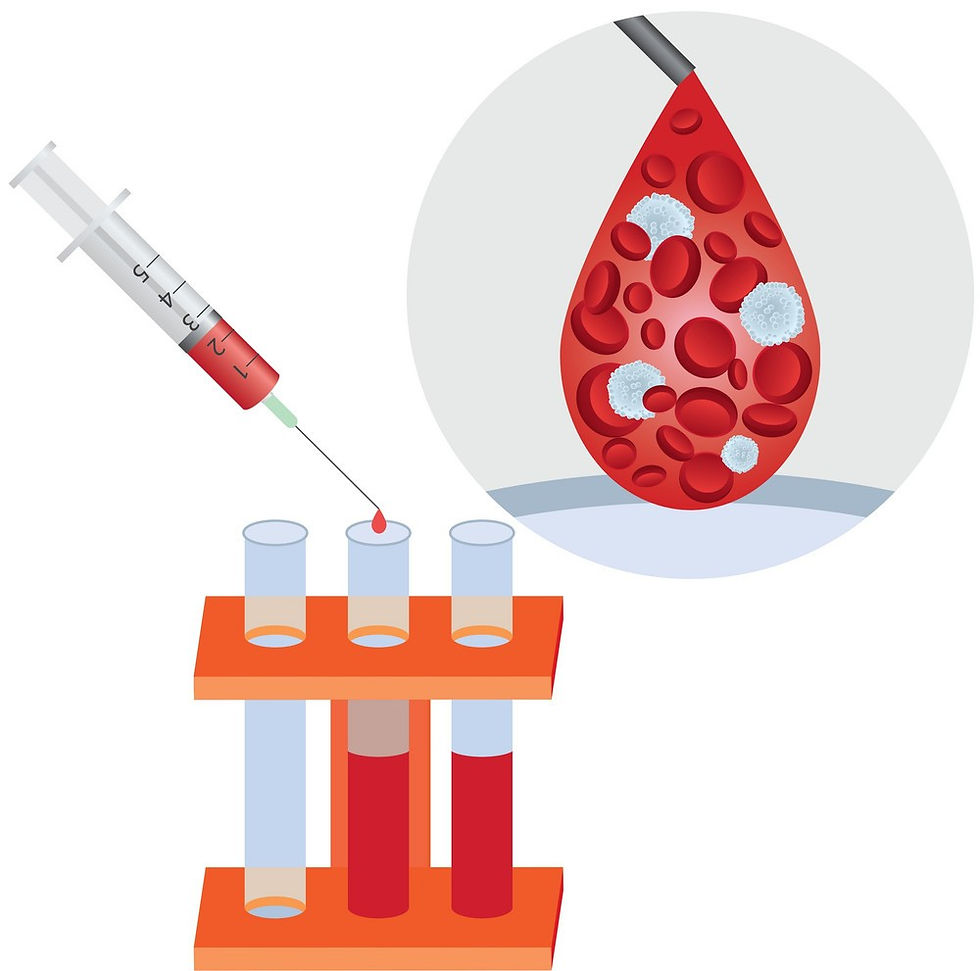
Blood tests may include:
Complete blood count
Erythrocyte sedimentation rate
Cyclic citrullinated peptide test
Rheumatoid factor
Thyroid function tests
TREATMENT
In general, treatments for fibromyalgia include both medication and self-care.
The emphasis is on minimizing symptoms and improving general health. No one treatment works for all symptoms.
Medications
Medications can help reduce the pain of fibromyalgia and improve sleep.
Common choices include:
Pain relievers
Antidepressants may help ease the pain and fatigue associated with fibromyalgia. Muscle relaxants to help promote sleep.
Anti-seizure drugs Medications designed to treat epilepsy are often useful in reducing certain types of pain. Gabapentin is sometimes helpful in reducing fibromyalgia symptoms
Therapy
A variety of different therapies can help reduce the effect that fibromyalgia has on your body and your life.
Examples include:
Physical therapy. A physical therapist can teach you exercises that will improve your strength, flexibility and stamina. Water-based exercises might be particularly helpful.
Occupational therapy. An occupational therapist can help you make adjustments to your work area or the way you perform certain tasks that will cause less stress on your body.
Counseling. Talking with a counselor can help strengthen your belief in your abilities and teach you strategies for dealing with stressful situations.

LIFESTYLE AND HOME REMEDIES
Self-care is critical in the management of fibromyalgia.

Reduce stress. Develop a plan to avoid or limit overexertion and emotional stress. Allow yourself time each day to relax. That may mean learning how to say no without guilt. But try not to change your routine completely. People who quit work or drop all activity tend to do worse than do those who remain active. Try stress management techniques, such as deep-breathing exercises or meditation.
Get enough Sleep Because fatigue is one of the main characteristics of fibromyalgia, getting sufficient sleep is essential. In addition to allotting enough time for sleep, practice good sleep habits, such as going to bed and getting up at the same time each day and limiting daytime napping.
Exercise regularly. At first, exercise may increase your pain. But doing it gradually and regularly often decreases symptoms. Appropriate exercises may include walking, swimming, biking and water aerobics. A physical therapist can help you develop a home exercise program. Stretching, good posture and relaxation exercises also are helpful.
Pace yourself. Keep your activity on an even level. If you do too much on your good days, you may have more bad days. Moderation means not overdoing it on your good days, but likewise it means not self-limiting or doing too little on the days when symptoms flare.
Maintain a healthy lifestyle. Eat healthy foods. Limit your caffeine intake. Do something that you find enjoyable and fulfilling every day.
ALTERNATIVE MEDICINE
Complementary and alternative therapies for pain and stress management aren't new. Some, such as meditation and yoga, have been practiced for thousands of years. But their use has become more popular in recent years, especially with people who have chronic illnesses, such as fibromyalgia.

Acupuncture. Acupuncture is a Chinese medical system based on restoring normal balance of life forces by inserting very fine needles through the skin to various depths. According to Western theories of acupuncture, the needles cause changes in blood flow and levels of neurotransmitters in the brain and spinal cord.
Massage therapy. This is one of the oldest methods of health care still in practice. It involves use of different manipulative techniques to move your body's muscles and soft tissues. Massage can reduce your heart rate, relax your muscles, improve range of motion in your joints and increase production of your body's natural painkillers. It often helps relieve stress and anxiety.
Yoga and tai chi. These practices combine meditation, slow movements, deep breathing and relaxation. Both have been found to be helpful in controlling fibromyalgia symptoms
Comments