


Living with Rheumatoid Arthritis

RA (Rheumatoid Arthritis) is an autoimmune disorder that causes inflammation of the lining of the joints.
The body tissue is mistakenly attacked by its own immune system.
RA may also affect the skin, eyes, lungs, heart, blood, or nerves. It is a chronic disorder.
SYMPTOMS
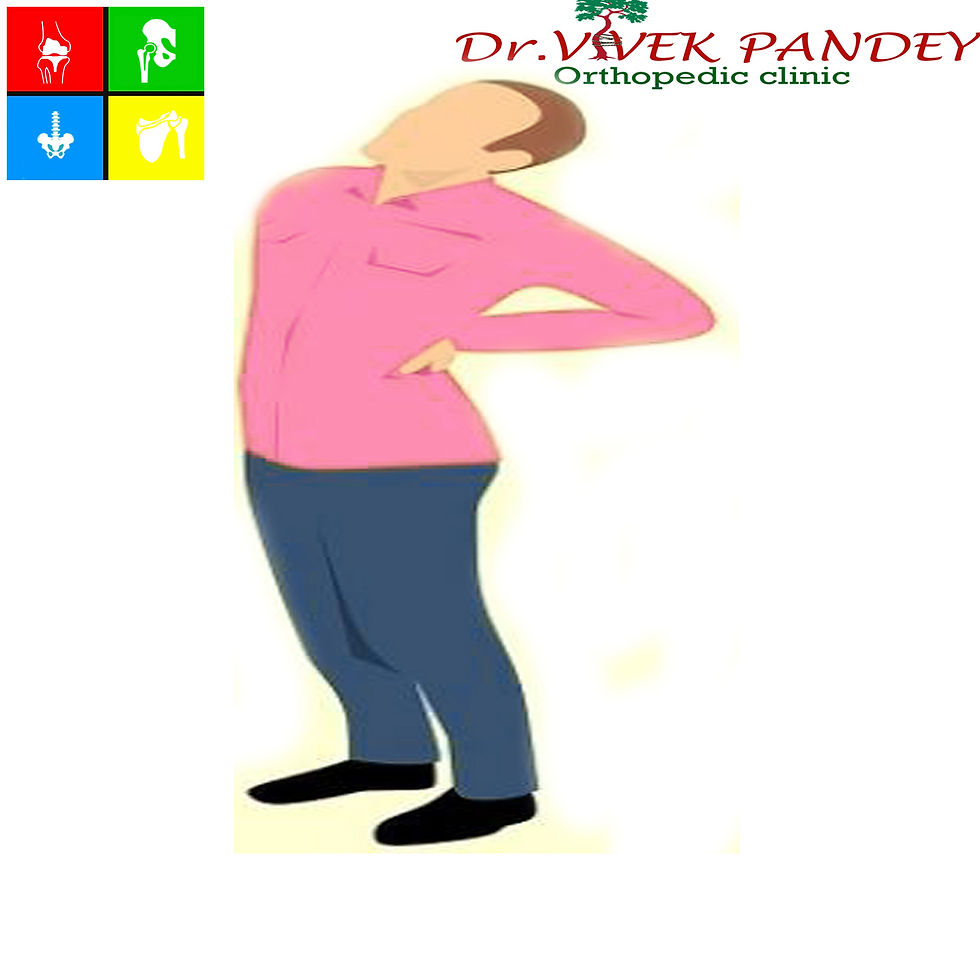
Pain, warmth, and swelling in joints, typically symmetrical, occurring on both sides of the body at the same time (such as the wrists, knees, or hands).
Other symptoms of RA include joint stiffness, particularly in the morning or after periods of inactivity; ongoing fatigue, and low-grade fever.
Who Gets Rheumatoid Arthritis ?
RA usually strikes between ages 30-60, but younger and older people can also be affected.
Two to three times more often in women than in men.
Immune cells normally protect the body from foreign invaders but what causes them to target healthy joints and tissue is unknown.
Researchers believe some combination of genetics and environmental factors may play a role.
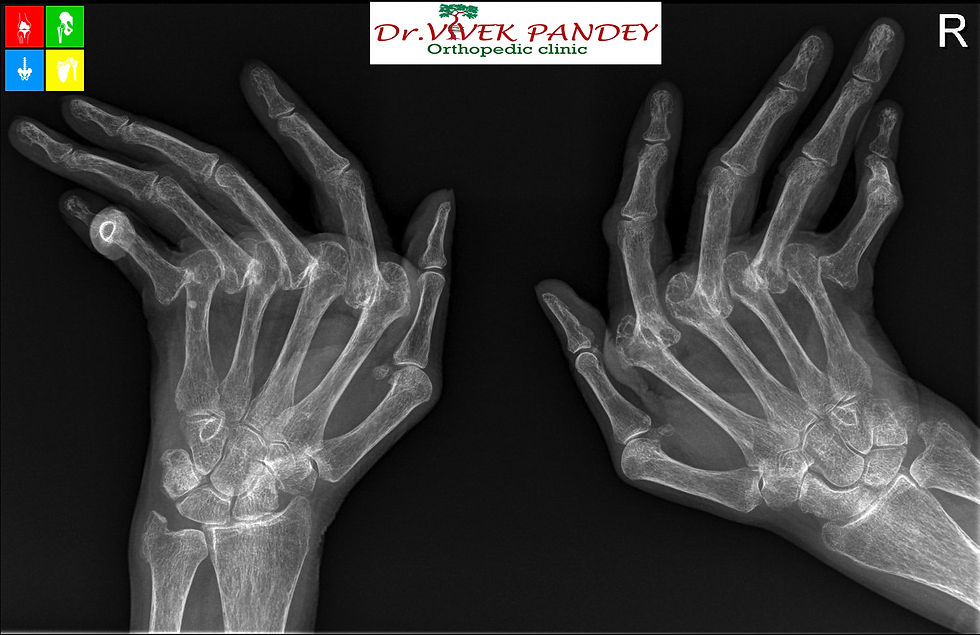
Consequences of RA on Joints Inflammation of the lining of the joints can destroy cartilage and bone, causing deformity of the joints.
As the condition progresses, joints can develop considerable pain and loss of function.
Juvenile Rheumatoid Arthritis (JRA) Juvenile RA is the most common type of arthritis in kids. Similar to adult RA, it causes joint inflammation, stiffness, and damage and can also affect a child’s growth.
RA and Pregnancy Surprisingly, rheumatoid arthritis improves in up to 80% of women during pregnancy. It will likely flare up after delivery. How and why this happens is still unclear. Changes in your medication may be necessary before you become pregnant and during pregnancy.
DIAGNOSIS
Blood Tests To check for markers of inflammation in the body.
Other common tests are for Rheumatoid factor (RF) and Anti-cyclic citrullinated peptide (anti-CCP), which is present in most people with RA
X Rays X-rays are helpful in diagnosing RA
An MRI or ultrasound may also be done to help detect joint damage and inflammation.
TREATMENT
Goal of treatment is to reduce joint inflammation and pain, prevent joint damage, and maximize joint function.
Treatment includes a combination of medication and exercises to strengthen supporting muscles around the joints.
Surgery for patients with deformities .
RA Medications Medications used to treat RA include
Disease-modifying antirheumatic drugs (DMARDs) which include biologics, nonsteroidal anti-inflammatory drugs (NSAIDs), steroids, and pain relievers.
DMARDs slow progression of disease and are usually used with NSAIDs and steroids in treatment
Many drugs used to treat rheumatoid arthritis have potentially serious side effects. Doctors typically prescribe medications with the fewest side effects first.
Methotrexate: This drug works by counteracting the immune system’s attack on your joints.
TNF inhibitors: These medications block the compound that does damage.
B-cell and T-cell inhibitors: B-cells and T-cells are blood cells that play a major role in inflammation, so this class of drugs targets them.
Prednisone and cortisone: Corticosteroid injections ease symptoms in a lot of patients. But advances in other drugs mean they’re not always necessary anymore.
Our goal is to give the lowest doses possible to control your symptoms and improve your quality of life.
Surgery If medications fail to prevent or slow joint damage, doctor may consider surgery to repair damaged joints. Surgery may help restore your ability to use your joint. It can also reduce pain and correct deformities.
Rheumatoid arthritis surgery may involve one or more of the following procedures:
Total joint replacement During joint replacement surgery, surgeon removes the damaged parts of your joint and inserts a prosthesis made of metal and plastic.

Tendon repair Inflammation and joint damage may cause tendons around your joint to loosen or rupture.
Joint fusion Surgically fusing a joint may be recommended to stabilize or realign a joint and for pain relief when a joint replacement isn’t an option.
Comments