


World Osteoporosis Day
WHAT IS OSTEOPOROSIS ?
Osteoporosis is a bone disease which causes your bones to become weak and brittle.
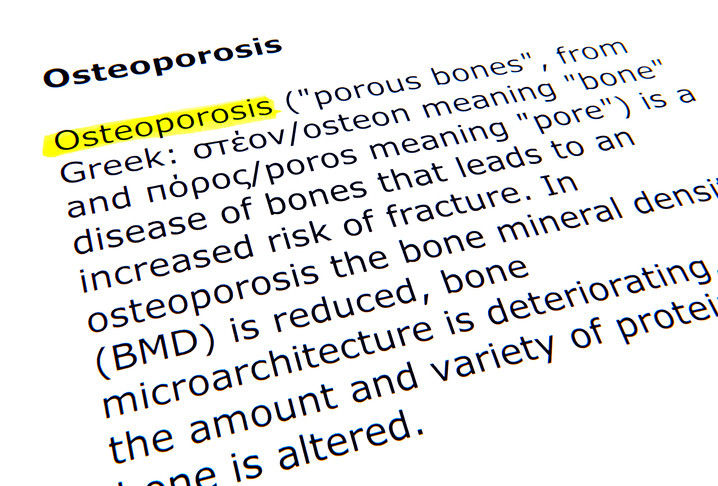
Osteoporosis can be caused by gradual bone loss over time, or more rapid bone loss secondary to medications or underlying diseases.

Weakened bones are more likely to “break” or “fracture” following a low trauma accident.
This is most often a fall from a standing height at a walking speed, but it can be as minimal as a cough or sneeze in advanced stages of the disease.
WHAT ARE THE RISK FACTORS ASSOCIATED WITH OSTEOPOROSIS?

Your sex- Women are much more likely to develop osteoporosis than men.
Age- bones do get less dense as we age. This is linked a drop in hormones……aka…..menopause.
Race- people of white or of Asian descent are at higher risk.
Frame Size- small body frames are at higher risk because they have less bone mass. Finally my big bones are good for something.
Family history- having a parent with osteoporosis puts you at greater risk.
Low Calcium/Low Protein Diet- lifelong lack of these nutrients in our diet takes a toll on bones contributing to early bone loss.
Eating Disorders- body fat below 20% brings about a drop in hormones.
Gastrointestinal Surgery- limits the ability to absorb nutrients.
Long Term Use of Steroids- prednisone and cortisone impede the bone building process.
Sedentary Lifestyle- exercise and an active lifestyle is good for the bones-sitting around is not.
Excessive Alcohol Consumption and Cigarette Smoking clearly both contribute to overall poor health but they also interfere with calcium intake.
SYMPTOMS
Osteoporosis does not cause symptoms in the early stages of the disease.
As osteoporosis progresses, you may experience bone tenderness or pain, particularly in your neck or low back.
Stooped posture or loss of height.
For many, bone fractures are the first sign of osteoporosis.
The spine, wrists, or hips are common fracture sites.
WHO SHOULD HAVE A TEST?
Women should have a bone density test if they aren't taking estrogen and:
Are aged 65 or over
Are postmenopausal and have one or more risk factors for osteoporosis
Have an abnormality in their spine
Are taking medications which may raise the risk of osteoporosis
Have Type 1 diabetes
Have a liver disease
Have a kidney disease
Have a thyroid disease
Have a family history of osteoporosis
Have experienced early menopause
DIAGNOSIS
Your primary care physician or orthopaedician may assess you for osteoporosis.
Bone mineral density (BMD) testing is an evaluation used to help diagnose osteoporosis.
It is a type of X-ray test called a dual-energy x-ray absorptiometry (DEXA).

BMD testing is recommended for women under the age of 65 with risk factors other than menopause, postmenopausal women with fractures, and all women age 65 and older.
Additional X-rays, computed tomography (CT) scans, blood tests, and urine tests may be used.
TREATMENT
Lost bone cannot be replaced, but further bone loss can be prevented.
Treatments are also aimed at reducing pain and preventing fall-related fractures.
Your doctor will make nutrition and exercise recommendations for you.

Calcium and Vitamin D supplements.
Weight bearing exercises prevent bone loss and possibly increase bone density.
Quit smoking.
There are several different types of medications that are used to treat osteoporosis.
Your doctor will review the risks and benefits of the medications with you.
Bisphosphonates and hormone replacement therapy are used to treat osteoporosis in postmenopausal women.
Newer anti-estrogen medications, such as Raloxifene, are selective estrogen receptor modulators (SERMs).
SERMs act similar to estrogen to increase bone density, reduce the risk of fractures, and lower the risk of breast cancer.
Calcitonin is a medication that eases pain and slows the bone loss process.
Alendronate is to help prevent bone loss from osteoporosis.
COMPLICATIONS OF OSTEOPOROSIS
Fractures in the spinal column can cause loss of height because the spine cannot bear the person's body weight, leading to the characteristic hunched posture. These fractures may occur without any fall or blow to the bones.
Minor falls can cause fractures to the wrist, neck, forearm, and hip bones.
Weakened bones can cause disability and loss of mobility.
Hip replacements are frequently required after a fracture, making it extremely difficult for the person to walk without help.
Death can result from postoperative complications, especially if the osteoporosis patient is elderly.
PRECAUTIONS TO PREVENT FALL
OUTDOORS AND AWAY FROM HOME:
Use a cane or walker for added stability.
Wear shoes that give good support and have thin nonslip soles. Avoid wearing slippers and athletic shoes with deep treads.
Walk on grass when sidewalks are slippery.
Be careful on highly polished floors that are slick and dangerous, especially when wet.
Stop at curbs and check their height before stepping up or down.
INDOOR:
Make your home safer: About half of all falls happen at home. To make your home safer:
Remove things you can trip over (such as papers, books, clothes, and shoes) from stairs and places where you walk.
Keep rooms free of clutter, especially on floors.
Keep floor surfaces smooth but not slippery.
Install ceiling fixtures or lamps that can be turned on by a switch near the room's entrance.
Keep items you use often in cabinets you can reach easily without using a stepstool.
Have grab bars put in next to your toilet and in the tub or shower.
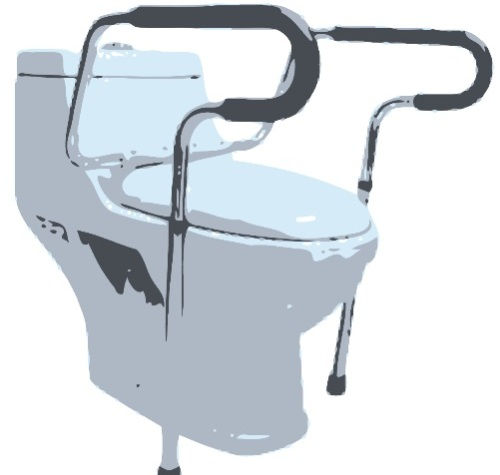
Improve the lighting in your home. As you get older, you need brighter lights to see well. Lamp shades or frosted bulbs can reduce glare.
Have handrails and lights put in on all staircases.
Comments