


Foods That Are Bad for Your Bones
As it's important to consume foods that help keep your bones strong, it's also essential to know which foods may do them damage.
Most people know what foods to should eat for strong bones — anything chock-full of bone-building calcium and its osteoporosis-fighting partner vitamin D.

From overly-salty snacks to high-in-sugar beverages, certain foods can inhibit your body from absorbing calcium, reduce bone mineral density, and more.

The more salty you eat, the more calcium you lose. “Salt is known to cause excessive calcium excretion through the kidneys

Moderaed salt intake is recommended. “Keep it below 2,300 milligrams a day and you’ll be fine.

“While there’s no proven link between sugar and its negative effect on bones, the harm to bones may be caused when people consume too much added sugar and don't get enough of the nutrient-rich food they need.

For an optimal osteoporosis diet, satisfy that sweet tooth with prunes, cranberries, and other fruits rich in antioxidants, which are healthful nutrients that support bone health.


If you drink a lot of soda, it could negatively affect your bone health. “Drinking excessive colas per week is associated with a reduction in bone mineral density and an increase in risk of fracture.

Caffeine leaches calcium from bones, sapping their strength.

In fact, roughly 6 milligrams of calcium are lost for every 100 milligrams of caffeine you ingest.”

And, when combined with sugary foods, caffeine can have greater effects on the bone health.
So, to follow an osteoporosis-prevention diet, drink decaf coffees and teas and limit consumption of sugary foods, especially those that contain caffeine, such as chocolate.


“Chronic and heavy alcohol consumption is known to contribute to low bone mass, decreased bone formation, an increased incidence of fractures, and delayed fracture healing.
For optimal bone health, consume alcohol in moderation.
.

Beans may prevent your body from absorbing calcium. “Pinto beans, navy beans, and peas are high in substances called phytates.
Phytates can interfere with the body’s ability to absorb the calcium that’s also found in the beans.
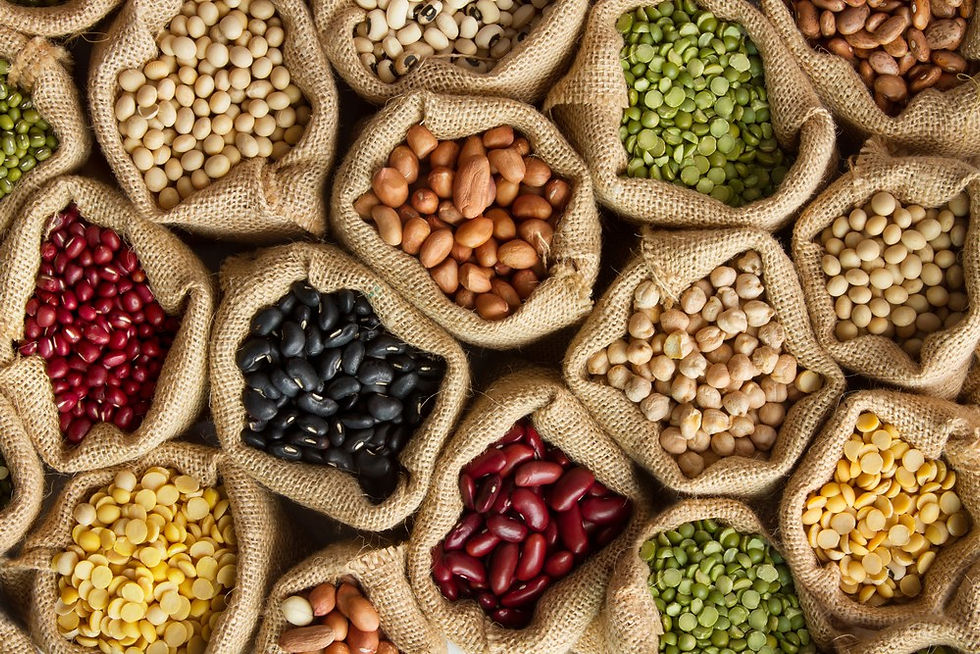
Because beans are rich in magnesium, fiber, and other nutrients, making them otherwise good for osteoporosis prevention (and your health overall), you needn’t avoid them altogether.
Simply reduce the phytate level by soaking beans in water for a few hours before then cooking them in fresh water.

“Nightshade vegetables, such as tomatoes, mushrooms, peppers, white potatoes, and eggplant, can cause bone inflammation, which can lead to osteoporosis.
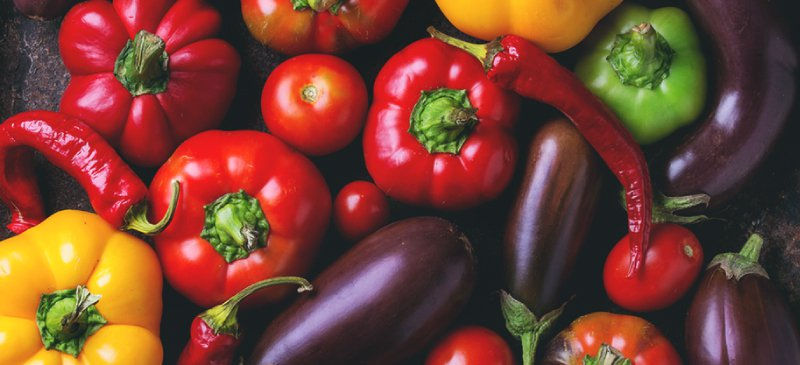
However, these vegetables contain other vitamins and minerals that are good for your health so, like beans, they shouldn’t be totally avoided.
As long as you make sure to get enough calcium — 1,000 to 1,200 milligrams a day you can eat these foods and still support good bone health.

Rich green raw spinach contain bone-healthy calcium, but they also contain substances called oxalates, which can bind up that calcium and make it unavailable to the body.

To enjoy the other health benefits of these vegetables (and help prevent osteoporosis at the same time),
It is suggested balancing them with foods that contain calcium readily absorbed by the body.

Eating too much animal protein also can leach calcium from your bones, so if you have osteopenia or osteoporosis, you should limit red meat to two times a week and keep portions small — 4 to 6 ounces.”

Cutting down on red and processed meats as well as soft drinks, fried foods, sweets and desserts, and refined grains all had a positive impact on bone health.
To prevent Osteoporosis focus on plenty of fruits and vegetables, low-fat dairy, fish and poultry, nuts.
Comments