


Foot Problems associated with Tight Shoes
As internet shopping develops in fame, there is a more noteworthy impulse to buy, keep, and wear shoes that look popular, yet may not fit appropriately.
Accordingly, numerous adults are wearing shoes that are not proper for their foot shape and size.
Ladies particularly are bound to buy a shoe that is too small, putting them at risk for corns, bunions, and different distortions that may expect medical & surgical procedure to address.
Bunion
A bunion is an enlargement of bone or tissue around the joint at the base of the big toe. As the deformity progresses the big toe may turn in toward the second toe and cause swelling and pain with shoe wear.

Treatment:
Nonsurgical: Wearing shoes with a wider toe box,
Wearing a spacer between your big and second toe,
Taping your toe, and/or applying ice to your toe.
Surgical: To remove the bunion.
Corn
A corn is a type of callus that develops when tight shoes put constant pressure on the skin.

Simple treatment involves applying a foam pad over the corn to help relieve the pressure. In addition, wearing shoes that fit properly and have a roomy toe area will help.
Hammer Toe
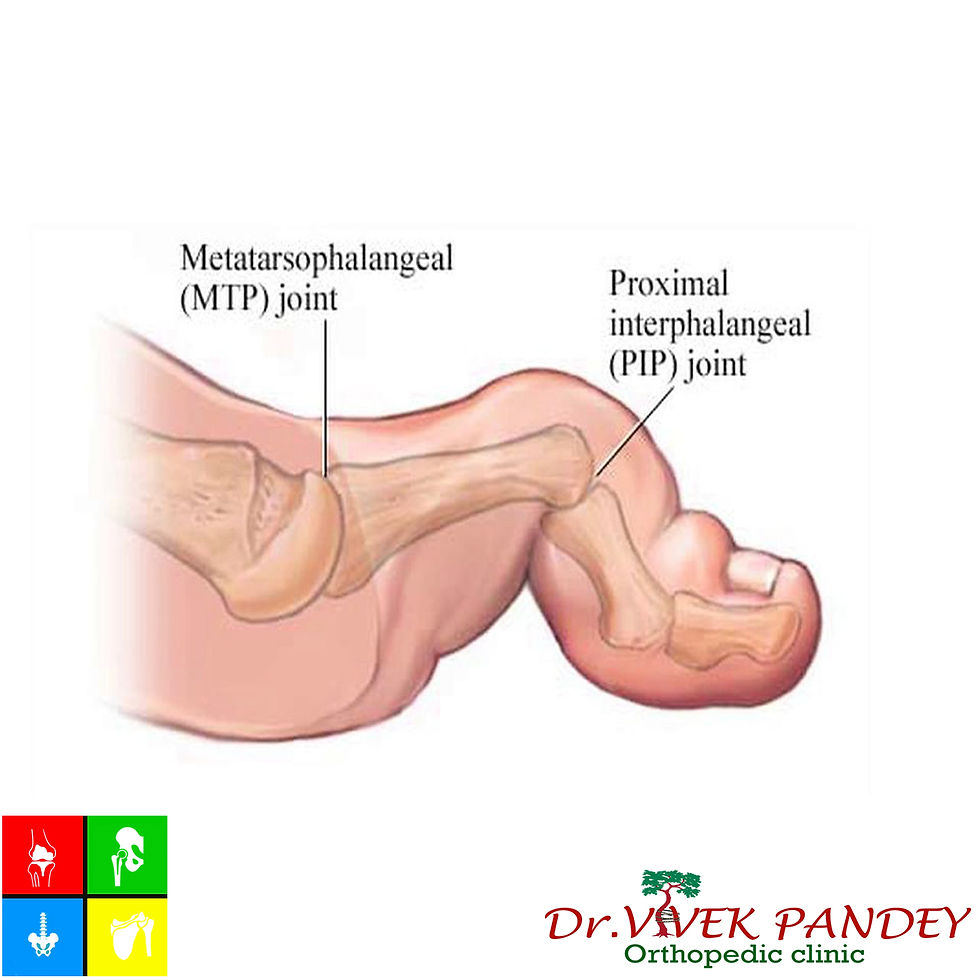
Hammer toes occur when the toe starts to curl up instead of lying flat. The center toe joint will twist up and in the event that you have your foot in a tight shoe, it will rub up against the shoe surface and cause pain. Moreover, the muscles that join to the toes will continue to weaken if the foot stays in this abnormal position.
Treatment:
Nonsurgical: Strapping techniques,
Wearing shoes with a wider toe box,
Wearing toe splints
Surgical: to correct the deformity may be an option
Crossover Toe
Toes are crimped in a toe box that is too small, and the constant pressure causes the second or third toe to move over the toe next to it.

Treatment:
Nonsurgical: Wearing shoes with a wider toe box,
Spacers or taping to keep the toes apart.
If this conservative treatment fails, surgery may be an option.
Ingrown Toenail
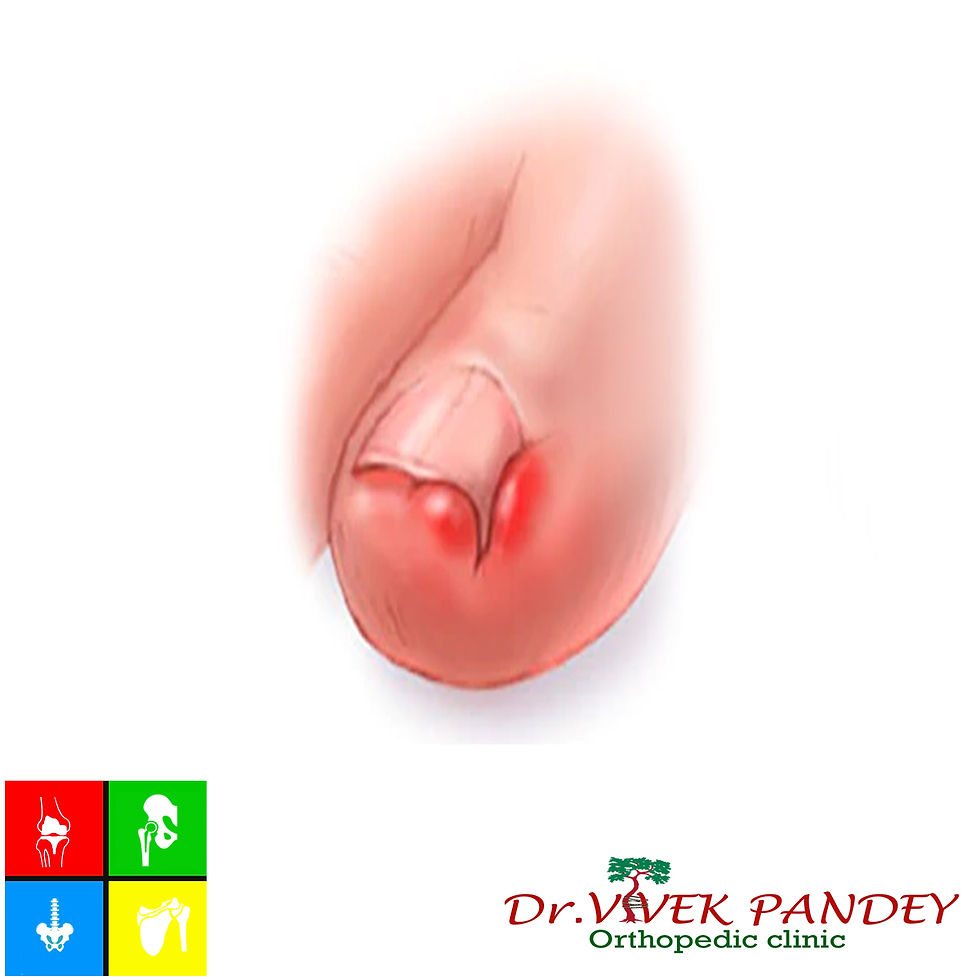
An ingrown toenail usually occurs in the big toe when the nail is cut short near the tip of the toe. This injury may be aggravated when you put your foot in a shoe that is too tight in the toe box, causing your first toe to be pressed against the second toe, and resulting in abnormal pressure on the nail. The constant pressure results in inflammation and nail pain.
Treatment
Nonsurgical: Wearing a shoe with a wider toe box and
Soaking the toe three to four times a day in warm water.
Trim your toenail straight across
Avoid trimming the corners of too short.
Diabetic Foot
People with diabetes often suffer from nerve damage (peripheral neuropathy) in the foot and are not able to feel skin irritations, or even
punctures.

Tight shoes may result in blisters or sores that can quickly progress to serious infections.
If you are diabetic, check your feet daily for pressure areas, redness, blisters, sores, scratches, and nail problems.
Neuromas
A neuroma is a benign growth of nerve tissue along a nerve pathway that causes pain, burning sensations, and numbness radiating from the ball of the foot to the toes.
Neuromas often occur in the third and fourth toes, but could affect other toes as well.

Comments